
ESSENTIAL OIL for IMMUNITY
Essential Oil for Immunity that will support your immune system
When it comes to essential oils for immunity support, there are several options you can consider. Proper nutrition, regular exercise, good sleep, and a healthy lifestyle are also crucial for a strong immune system.
Here are a few essential oils for immunity that are commonly used their potential immune-boosting properties:
- Lemon Oil: Lemon oil is refreshing and can provide an uplifting aroma. It contains compounds that have antibacterial properties and can help support a healthy immune response. You can use it in a diffuser or mix a few drops with a carrier oil and apply it topically (avoid direct sunlight after topical application as it can cause photosensitivity
- Frankincense Oil: Frankincense oil has been used for centuries for its potential immune-enhancing properties. It has anti-inflammatory and antimicrobial effects and can be used in a diffuser or diluted and applied topically.
- Tea Tree Oil: Tea tree oil has antimicrobial properties and can help support a healthy immune system. It can be diffused or diluted and applied topically (after performing a patch test) to promote a clean and healthy environment.
- Eucalyptus Oil: Eucalyptus oil is known for its expectorant and antimicrobial properties. It can help clear the airways and promote respiratory health, which indirectly supports the immune system. You can use it in a diffuser or steam inhalation.
Before using Essential Oil for Immunity, If you have any underlying health conditions or concerns, it’s best to consult with a healthcare professional

Peppermint Essential Oil – Benefits
Peppermint Essential Oil has various potential Benefits.
Here are some of the potential benefits Peppermint Essential Oil:
- Soothing digestive issues: Peppermint oil is commonly used to relieve symptoms such as indigestion, bloating, and abdominal discomfort. It may help relax the muscles of the gastrointestinal tract, easing spasms and promoting smoother digestion.
- Relief from headaches: Peppermint Essential oil has a cooling effect and may help alleviate tension headaches and migraines when applied topically to the temples or inhaled. Applying diluted peppermint oil to the temples or forehead may provide relief.
- Respiratory support: Inhaling Peppermint Essential Oil using it in a steam inhalation can help open up the airways and clear congestion. It may provide temporary relief from respiratory conditions such as coughs, colds, sinusitis, and allergies.
- Enhanced focus and mental clarity: Peppermint Essential oil’s invigorating aroma may help improve alertness, concentration, and cognitive performance. It can be used in aromatherapy or diluted and applied topically.
- Muscle pain relief: Peppermint oil has a cooling sensation that can help soothe sore muscles and reduce inflammation. Massaging diluted peppermint oil onto affected areas may help alleviate muscle aches, cramps, and tension.
- Natural insect repellent: The strong scent of peppermint oil is known to repel insects such as mosquitoes, ants, and spiders. It can be used in a diluted form as a natural alternative to chemical-based repellents.
- Mood enhancement: The refreshing aroma of peppermint oil is often used for mood enhancement and stress relief. Diffusing the oil or using it in a massage oil may help uplift the mood and promote relaxation.
It’s important to note that while peppermint essential oil has potential benefits, it should be used with caution and in moderation. It’s recommended to dilute it with a carrier oil before applying it to the skin and to consult with a healthcare professional, especially if you have any underlying health conditions or are taking medications.
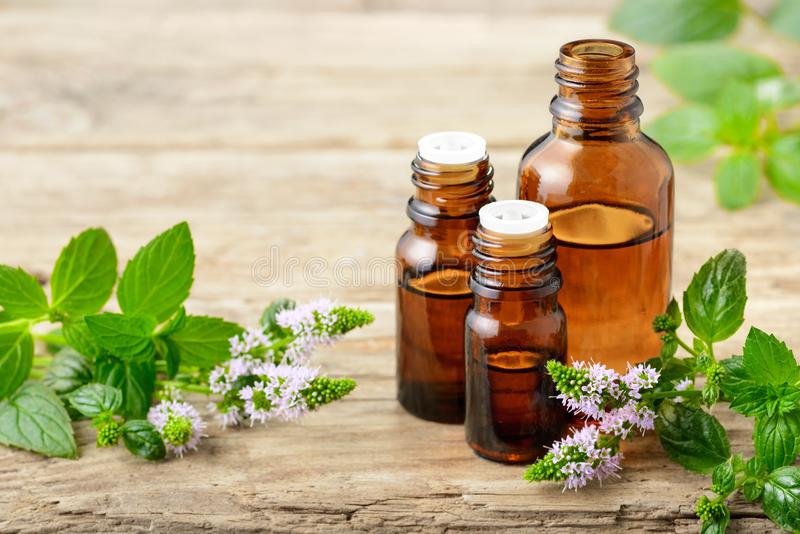
Essential Oil vs Fragrance Oil
Essential oils are plant based, which means that Essential Oils are made from the raw material of a plant. An essential oil is a liquid that is generally distilled from the leaves, stems, flowers, bark, roots, or other elements of a plant. Essential Oils often have therapeutic properties and are used in aromatherapy for their potential health benefits.
Essential oils not only used in aromatherapy, but also used for skincare products, natural cleaning products, and as flavorings in food and beverages. Essential oils are composed of complex mixtures of naturally occurring chemical compounds. These compounds contribute to the fragrance as well as the potential therapeutic effects of the oil.
Fragrance oils can be thought of as a mix of essential oil and other. Fragrance oil is an enhanced synthetic scent that is artificially created to mimic specific scents, such as floral, fruity, or musky fragrances. . These oils are created using fragrant ingredients extracted from plants combined with carrier oils and then altered to produce a desired scent. Fragrance oils are formulated to replicate a specific scent, and they often have a wide range of notes and complexities. They can be created to smell like natural substances or entirely artificial scents.
Fragrance Oils are commonly used in perfumes, candles, soaps, and other scented products. They are primarily used in cosmetic and household products for their scent. They are widely employed in the fragrance industry due to their ability to create consistent and long-lasting aromas.
Aromatherapy for Wellness
Aromatherapy is the use of essential oils extracted from plants to promote physical and psychological well-being. Essential oils are highly concentrated plant extracts that can be used in a variety of ways, such as through inhalation, massage, or adding them to a bath.
The scents of essential oils can have a powerful effect on our emotions and mood. For example, lavender oil is known for its calming properties and can help reduce stress and anxiety, while peppermint oil is invigorating and can help improve focus and concentration.
Some common ways to use aromatherapy for wellness include:
- Diffusing essential oils: Adding a few drops of essential oil to a diffuser and letting the aroma fill the room can help create a calming or energizing environment.
- Massage: Diluted essential oils can be used in massage to help promote relaxation and ease muscle tension.
- Bath: Adding a few drops of essential oil to a warm bath can help promote relaxation and reduce stress.
- Inhalation: Inhaling essential oils directly from the bottle or adding a few drops to a tissue and inhaling can help promote relaxation and reduce anxiety.
It’s important to note that while aromatherapy can be a helpful tool for promoting wellness, it should not be used as a replacement for medical treatment. If you have a medical condition, it’s important to consult with a healthcare professional before using aromatherapy or any other alternative therapies.